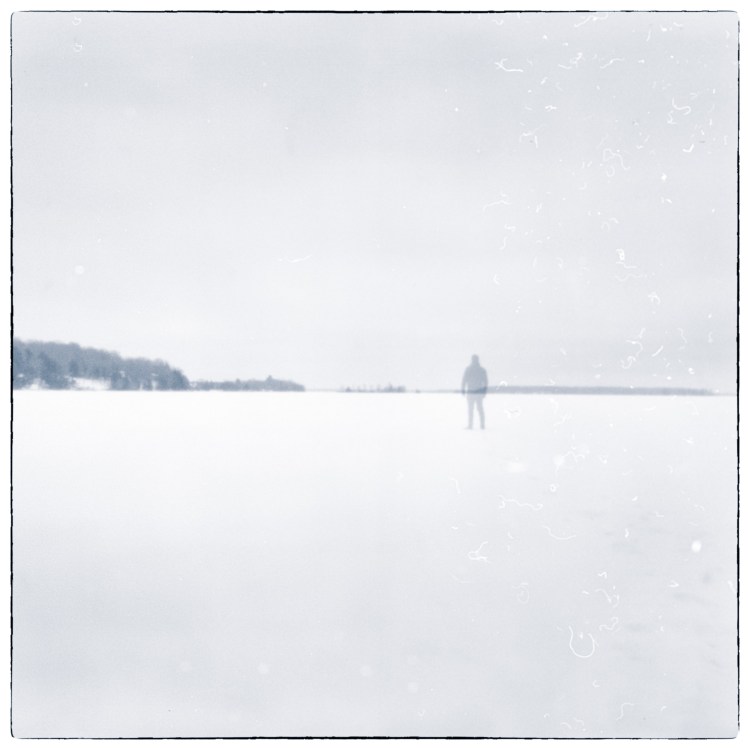
Introduction
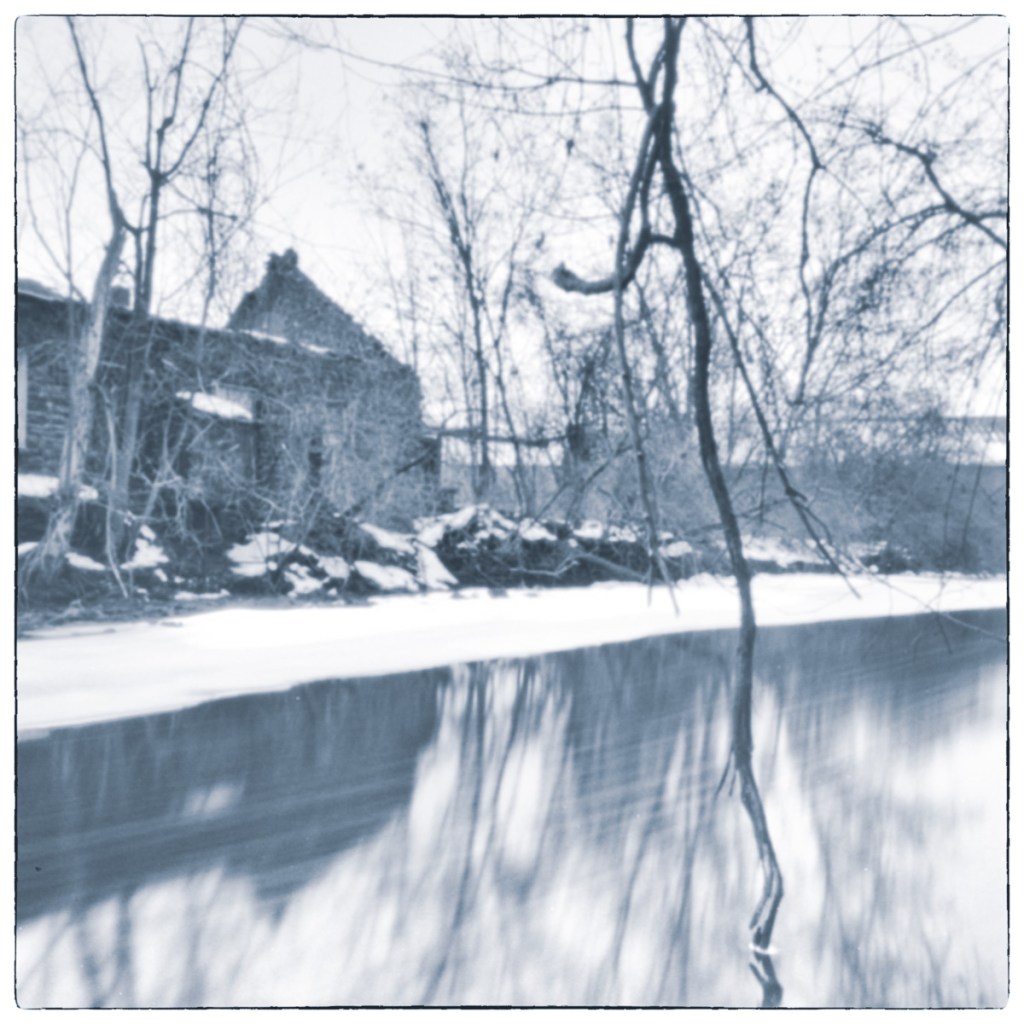
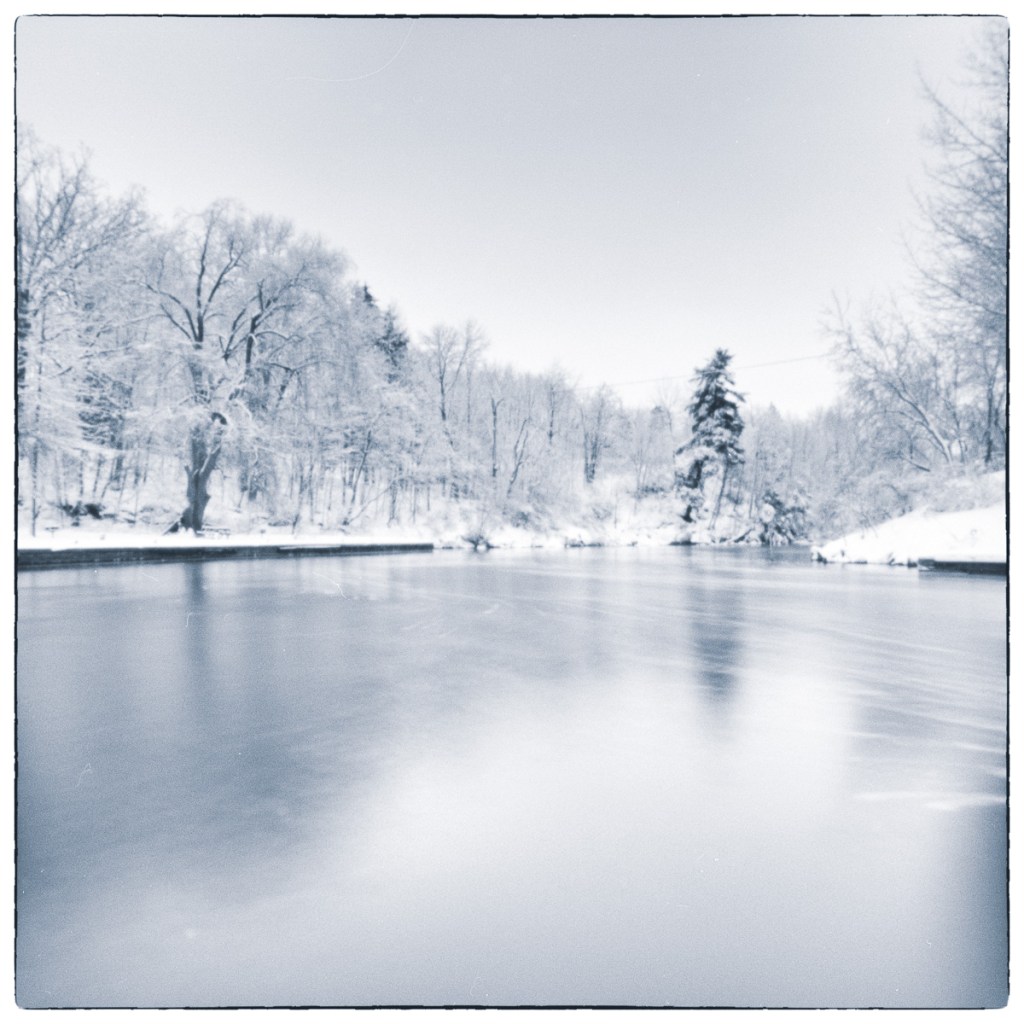
The Straight Way Lost explores disorientation and psychological landscape along the Rideau Canal corridor in Eastern Ontario. Produced during the final stage of my MA Photography studies at Falmouth University, the work emerged following a thirty-year military career and the transition to life as a veteran living with PTSD.
Developed through repeated visits and attentive drift, the project draws on psychogeographic practice, treating landscape less as description than as a field of lived experience.
“Midway upon the journey of our life
– Dante Alighieri, Inferno
I found myself within a dark wood,
for the straight way had been lost.”
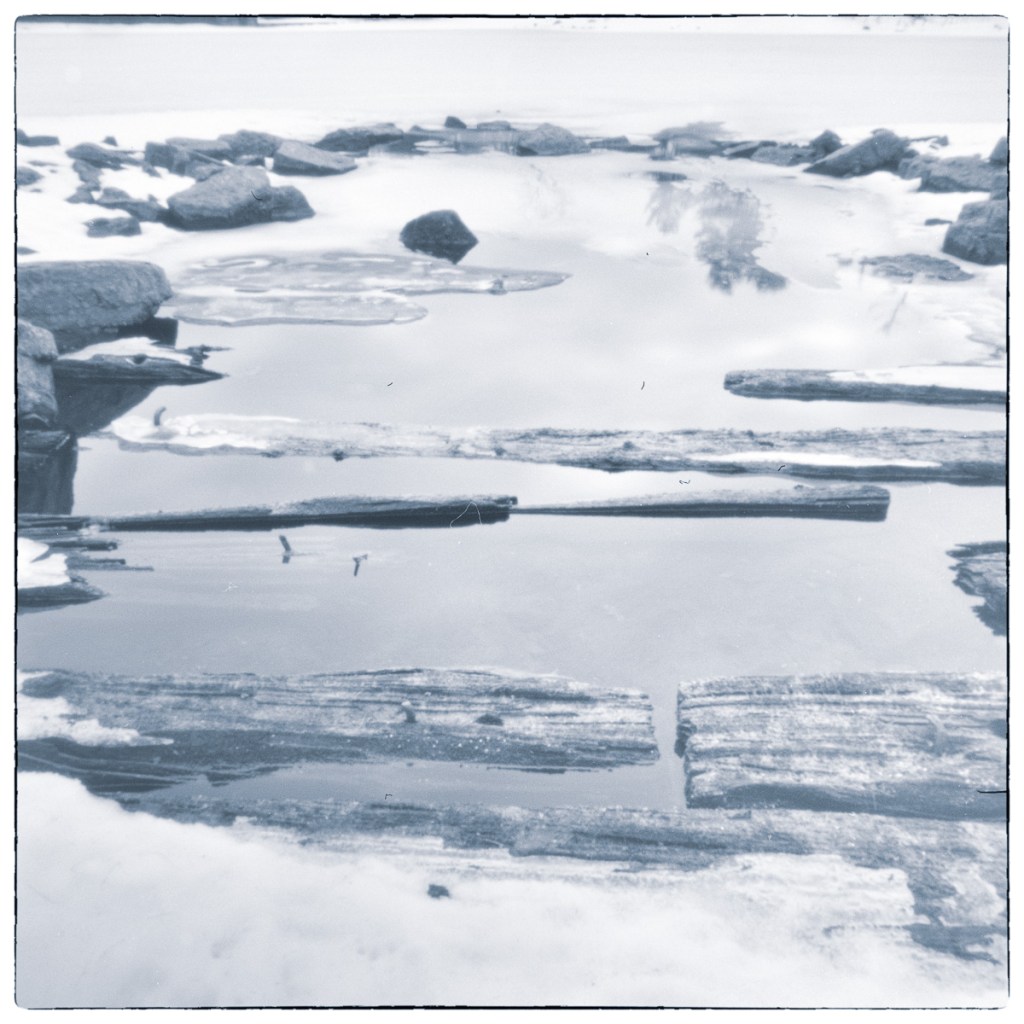
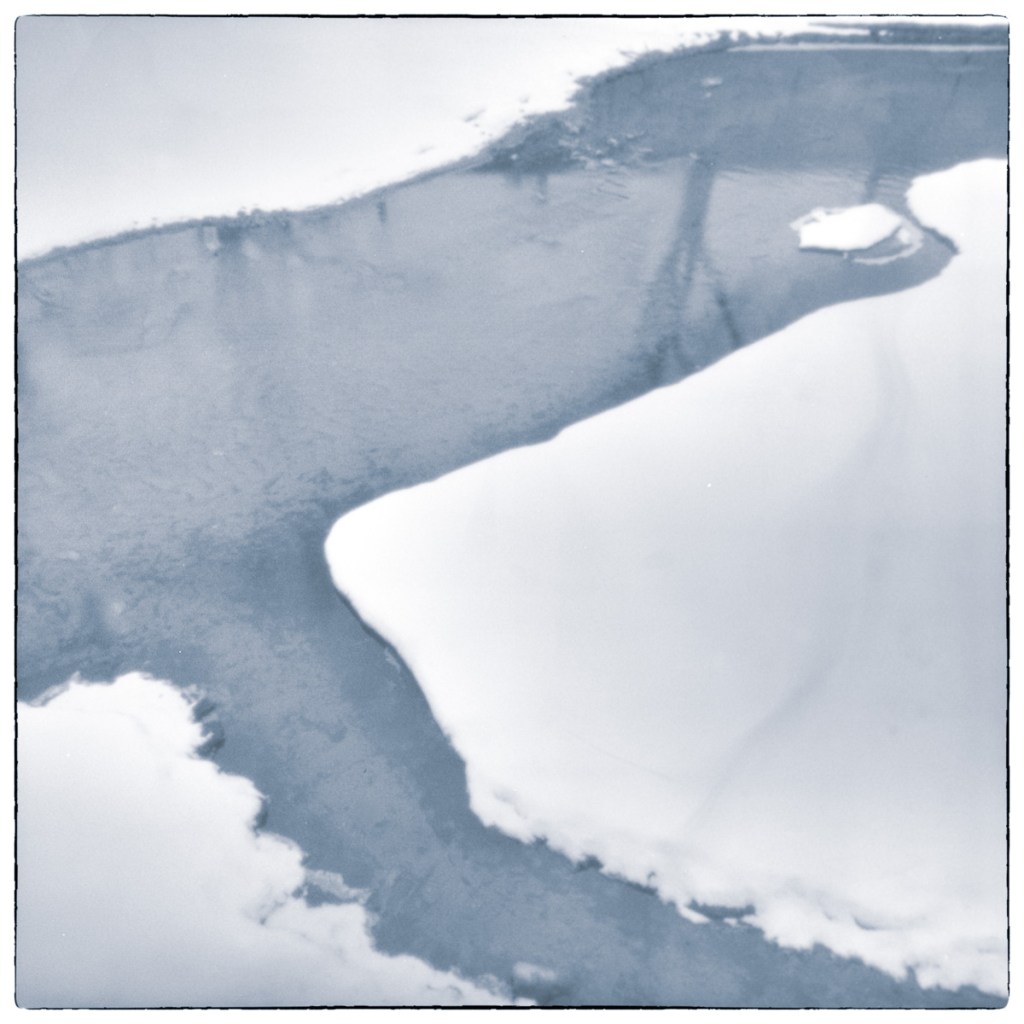
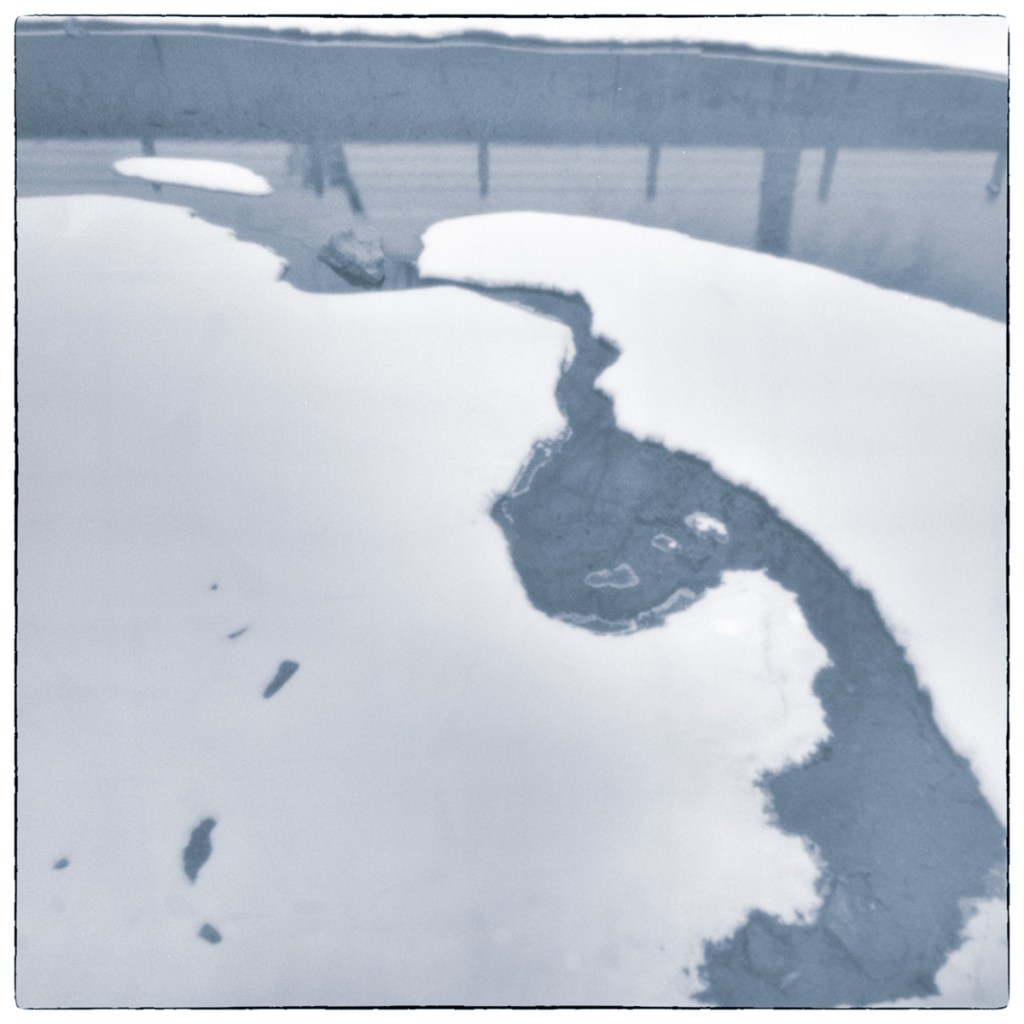
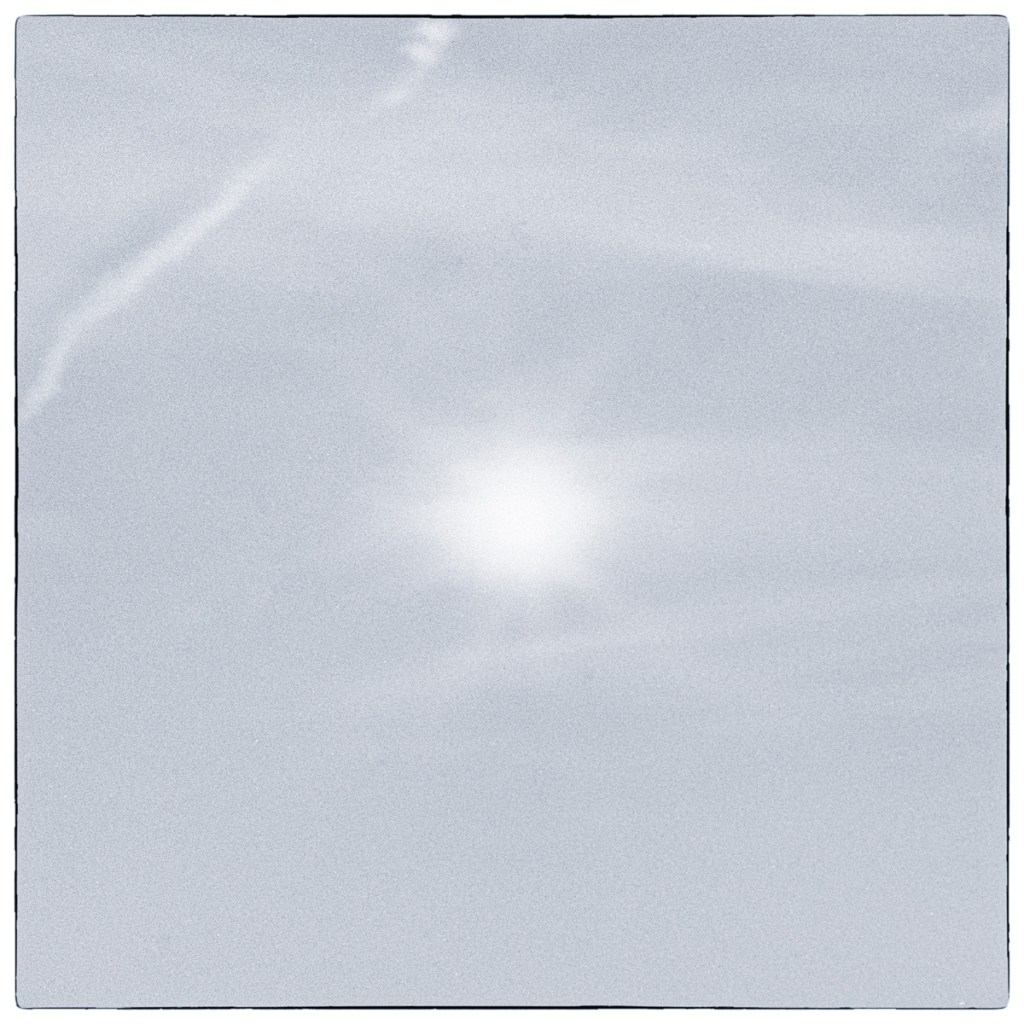
The work adopts a fully analogue process using medium format black and white film, long exposures, and intentional camera movement. Structured as a three-part sequence informed by Dante Alighieri’s Inferno, the images trace movement through disorientation, transition, and toward provisional clarity.
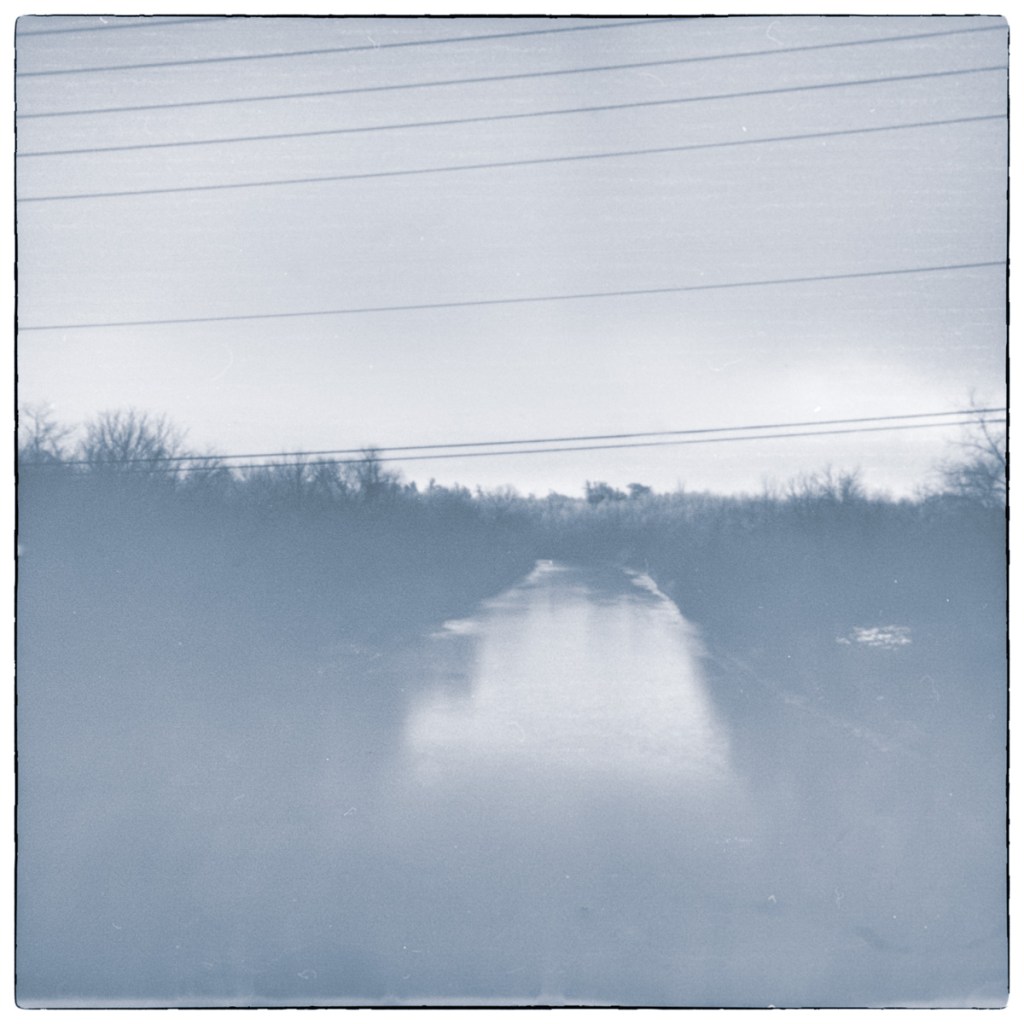
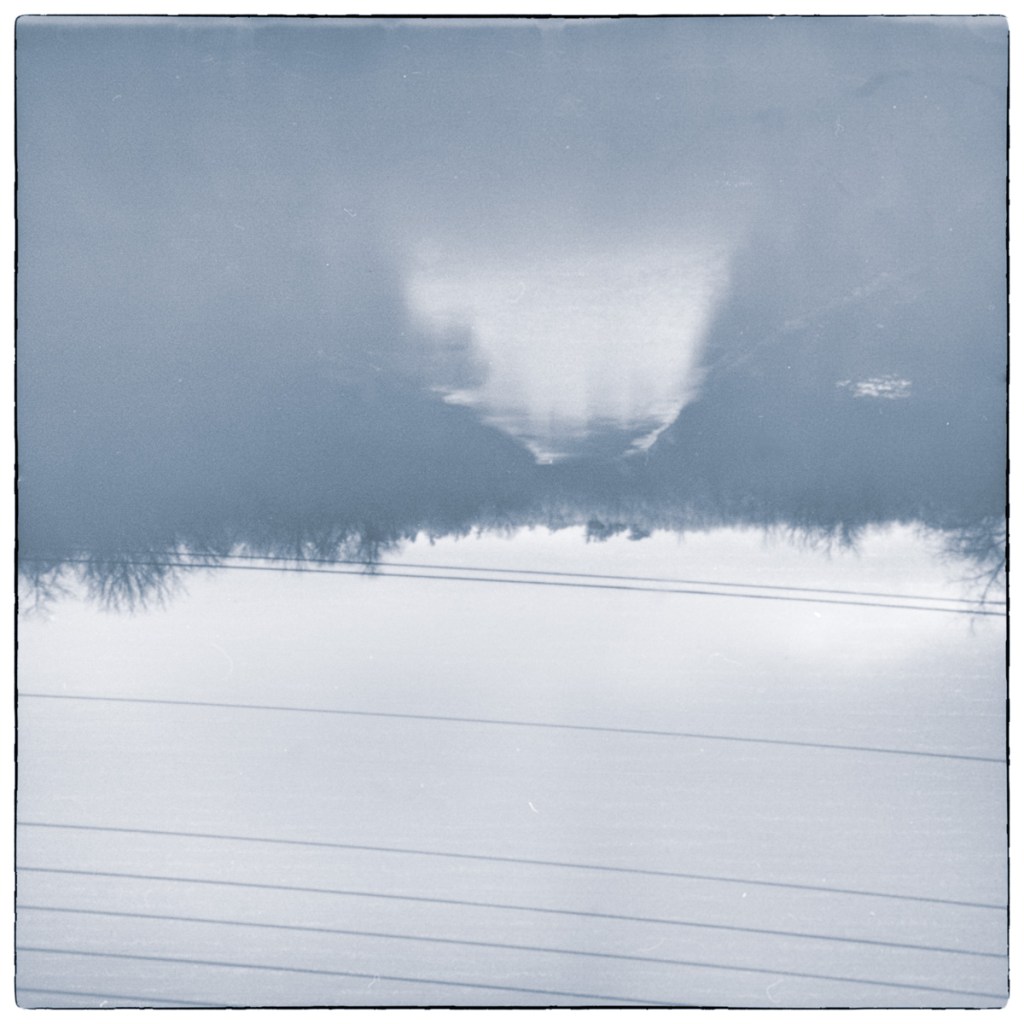
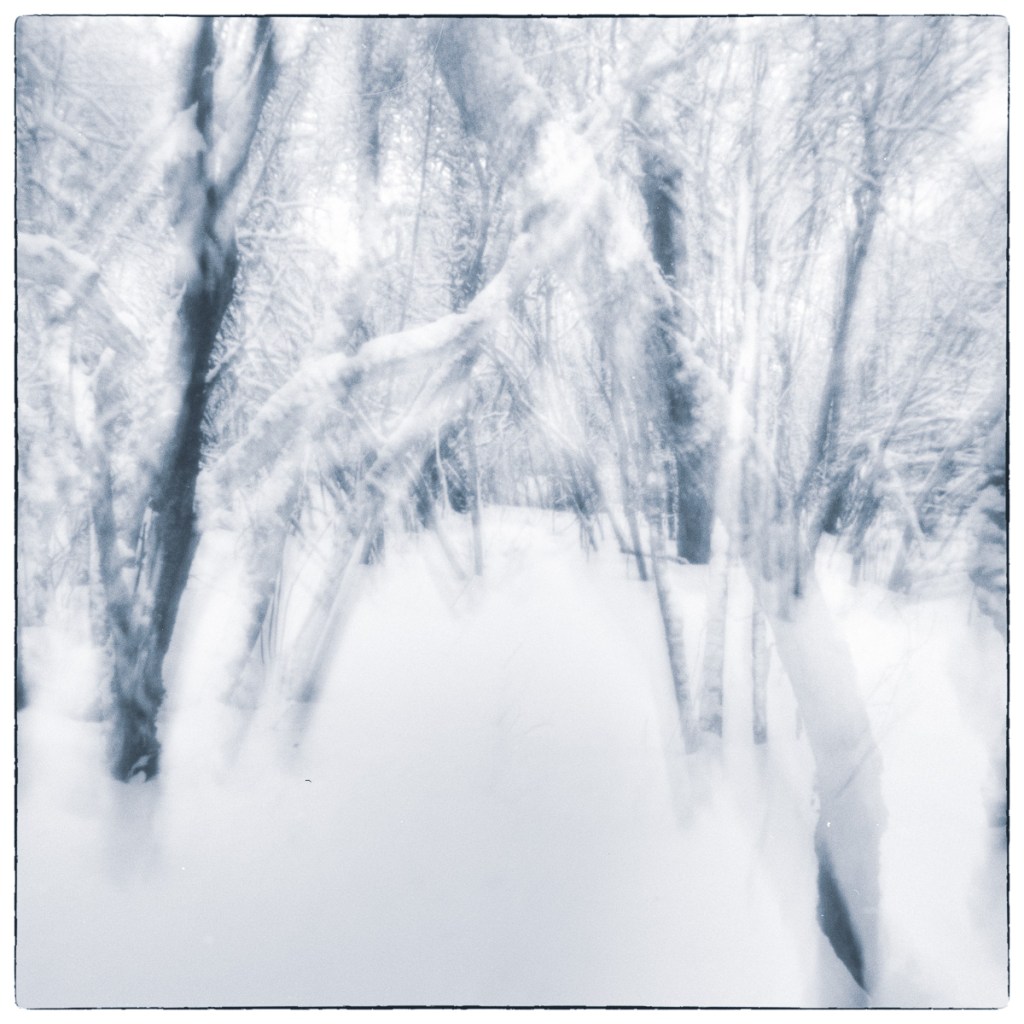
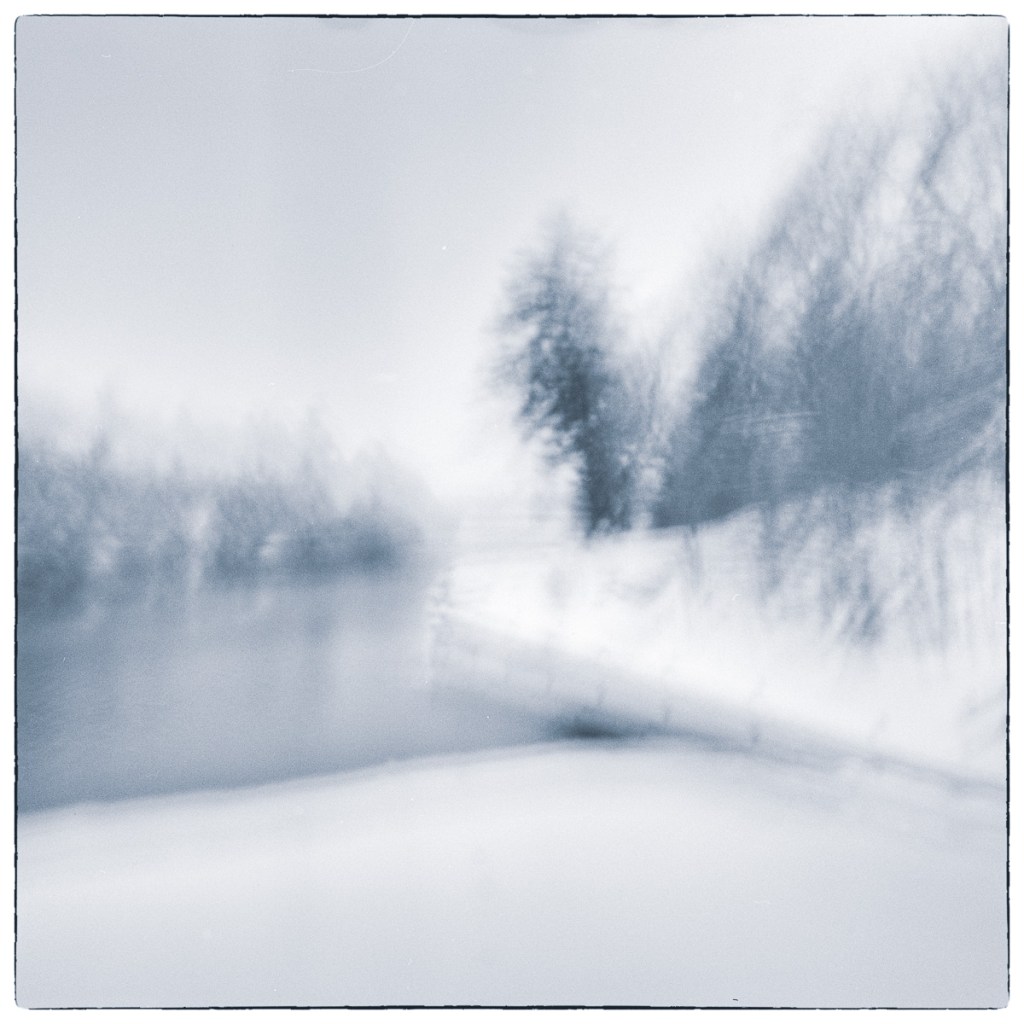
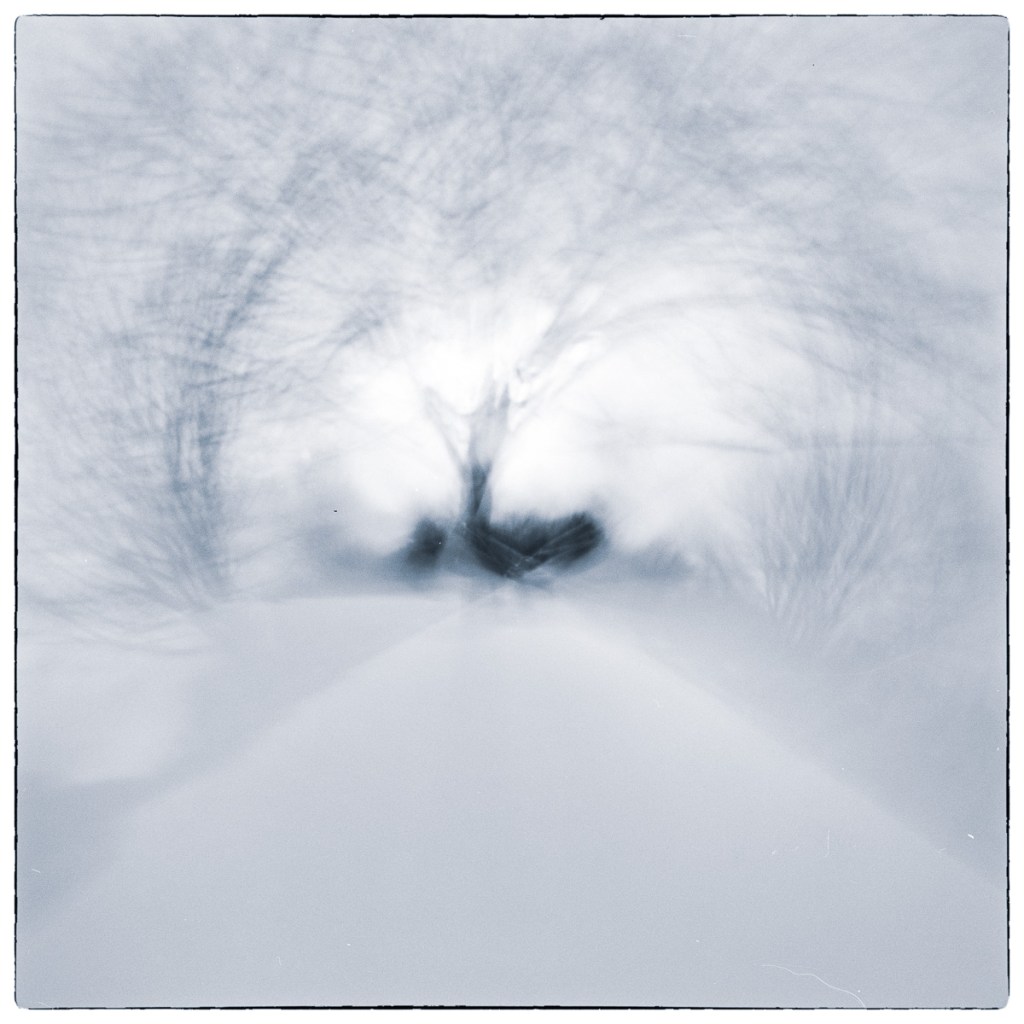
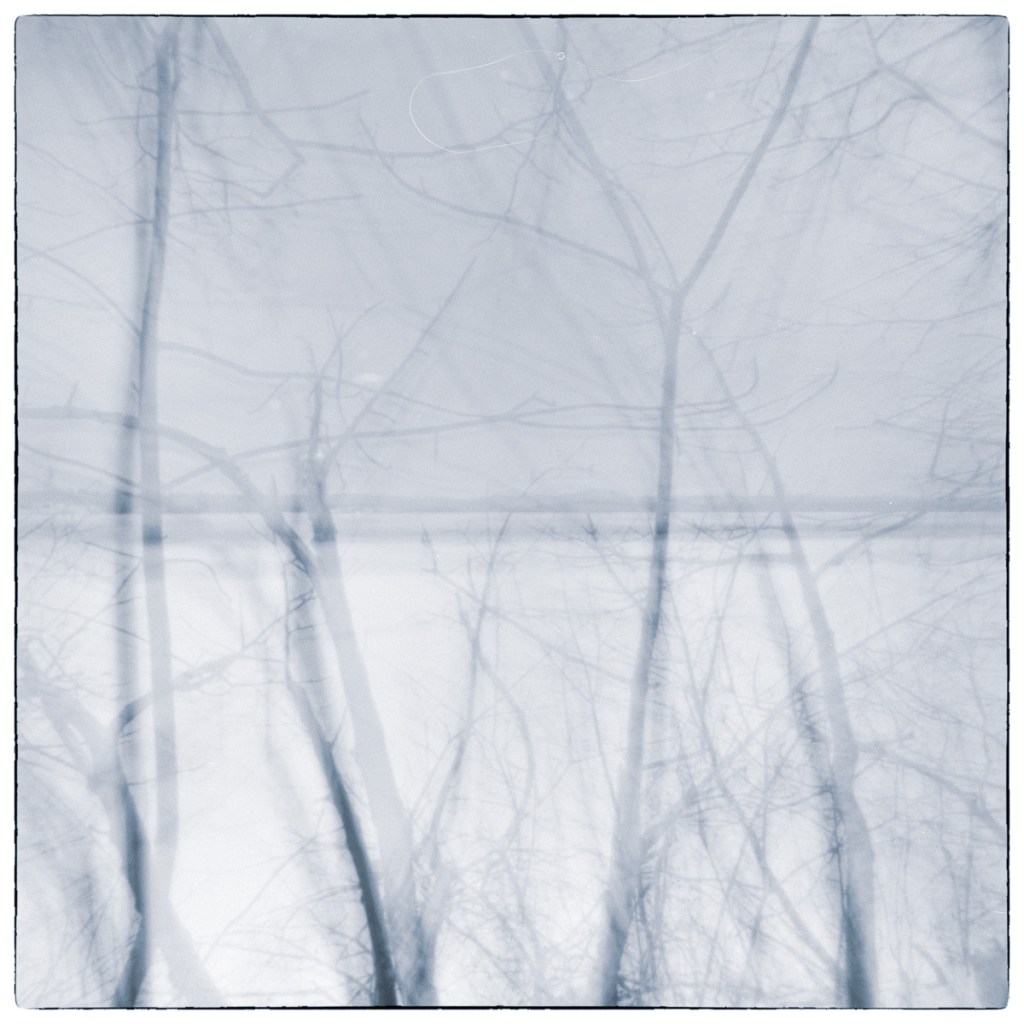

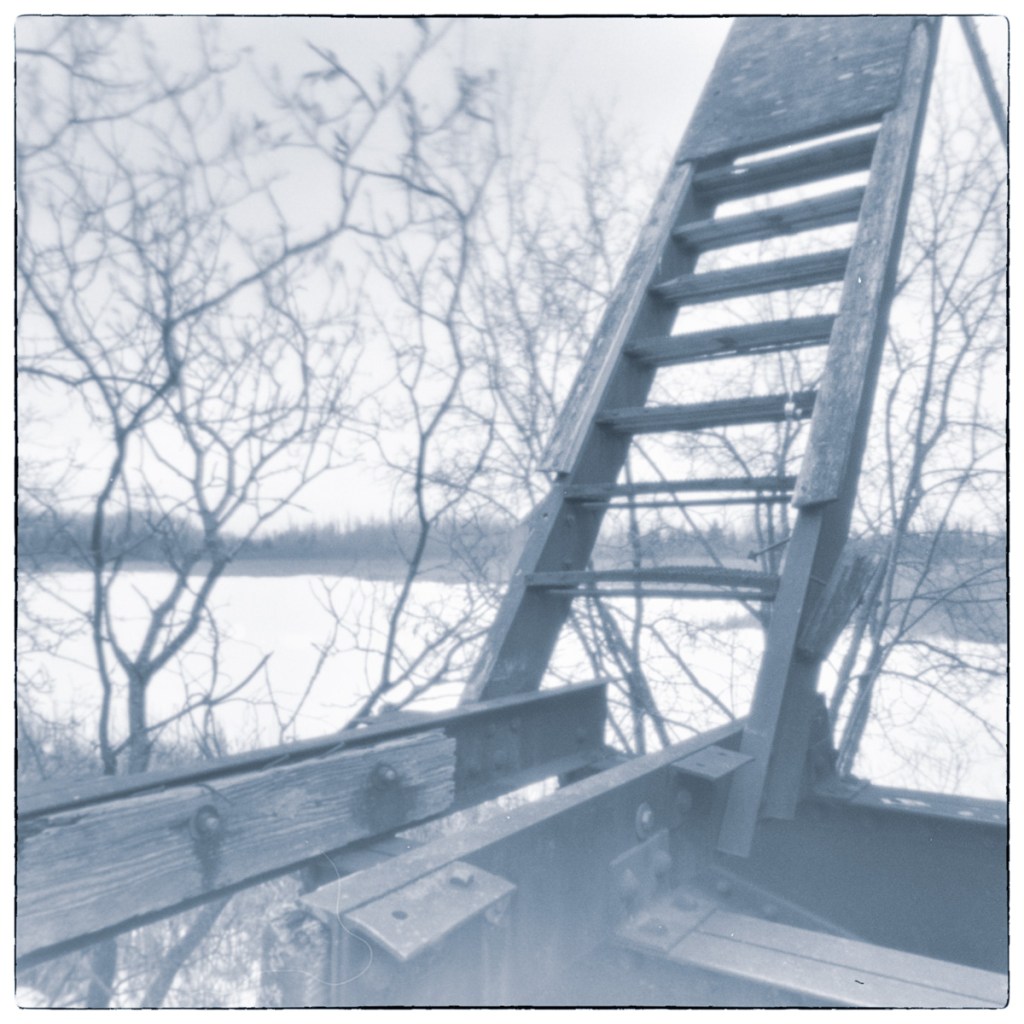
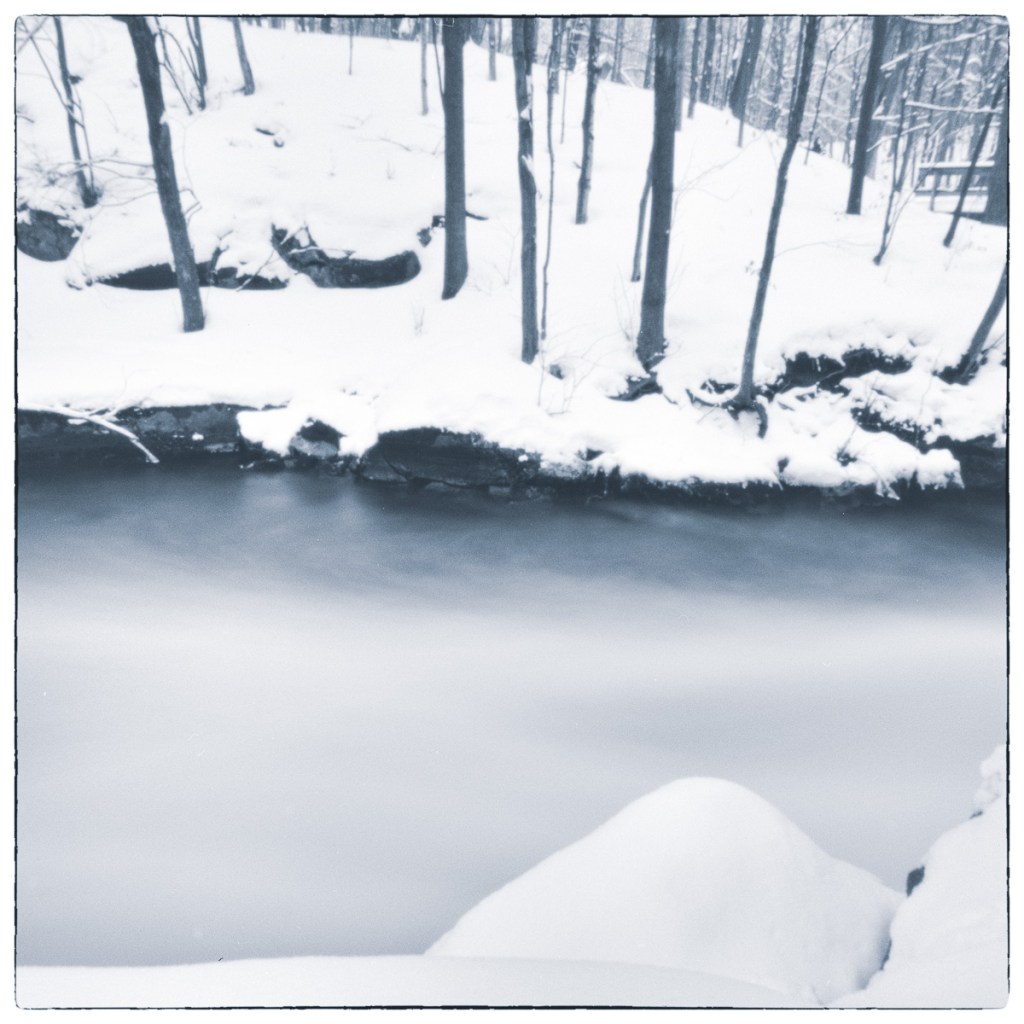
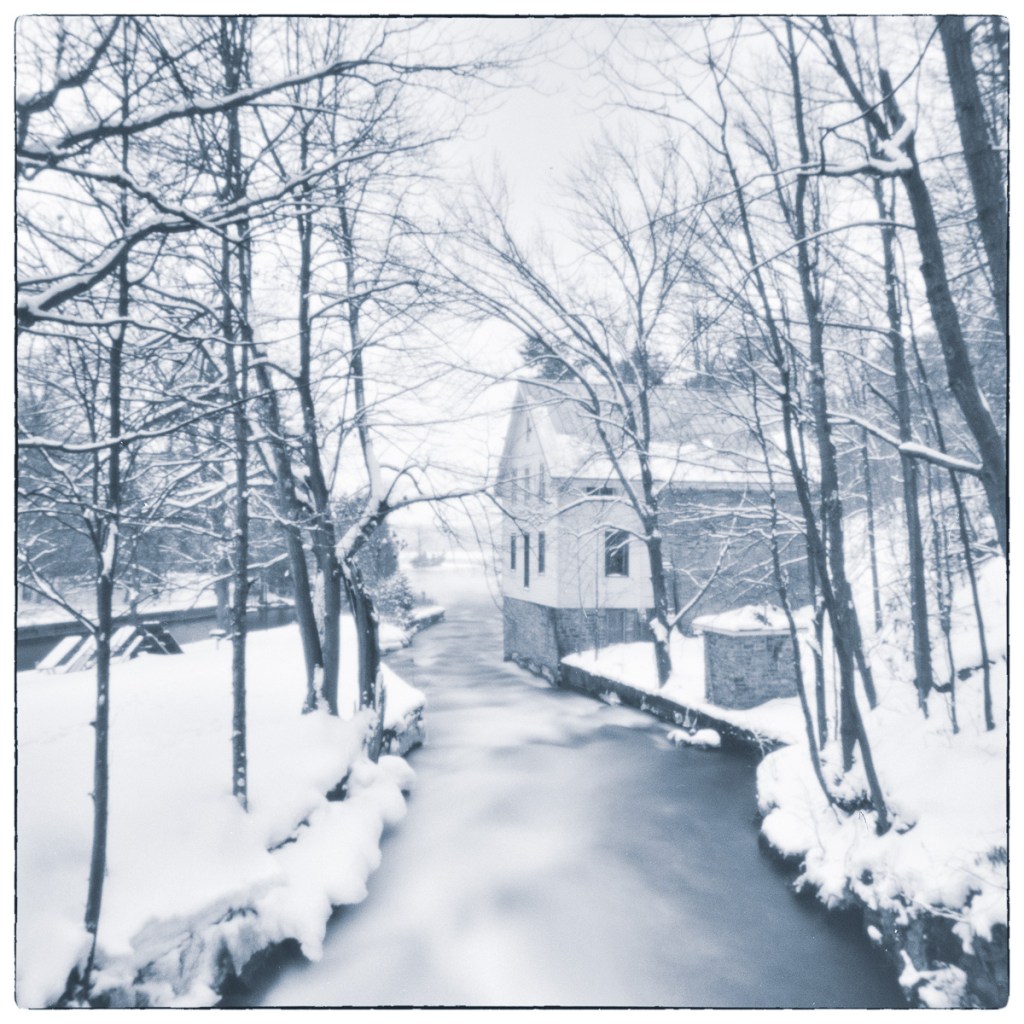

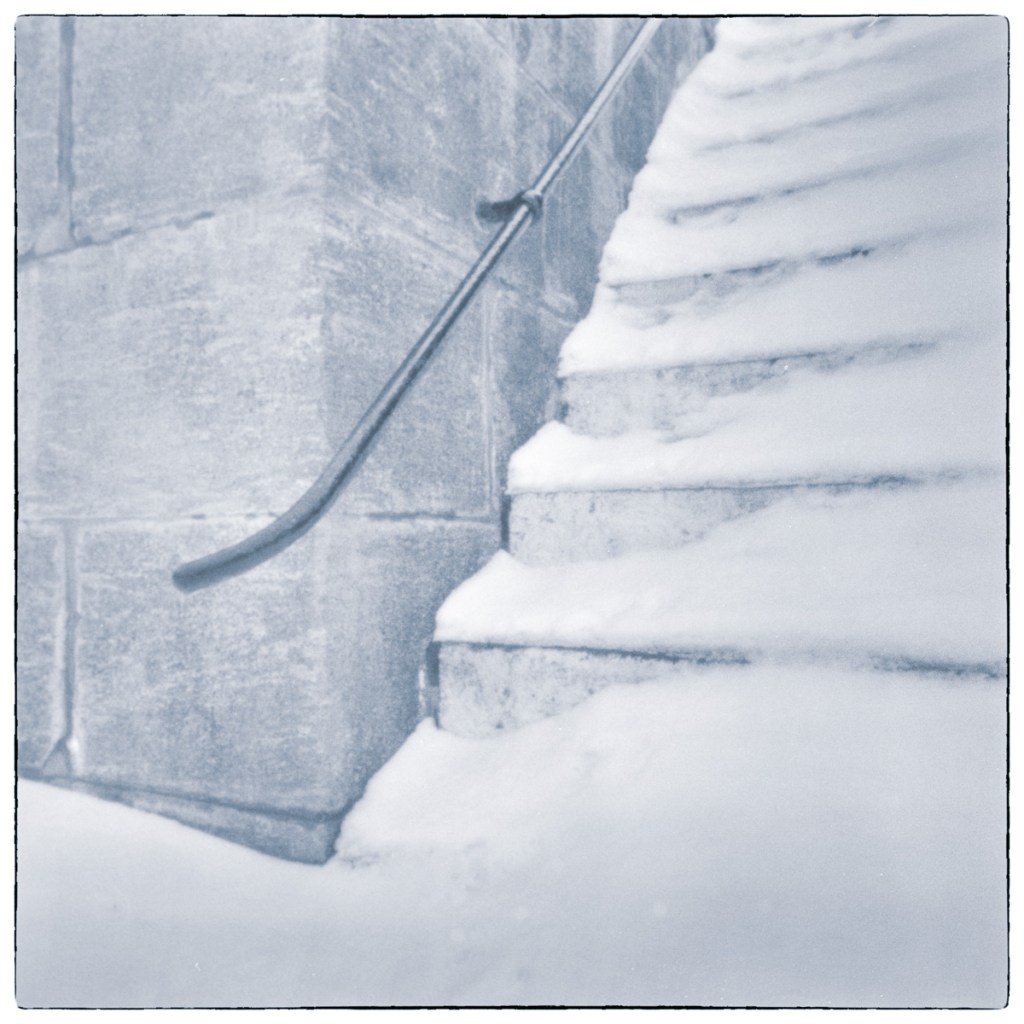
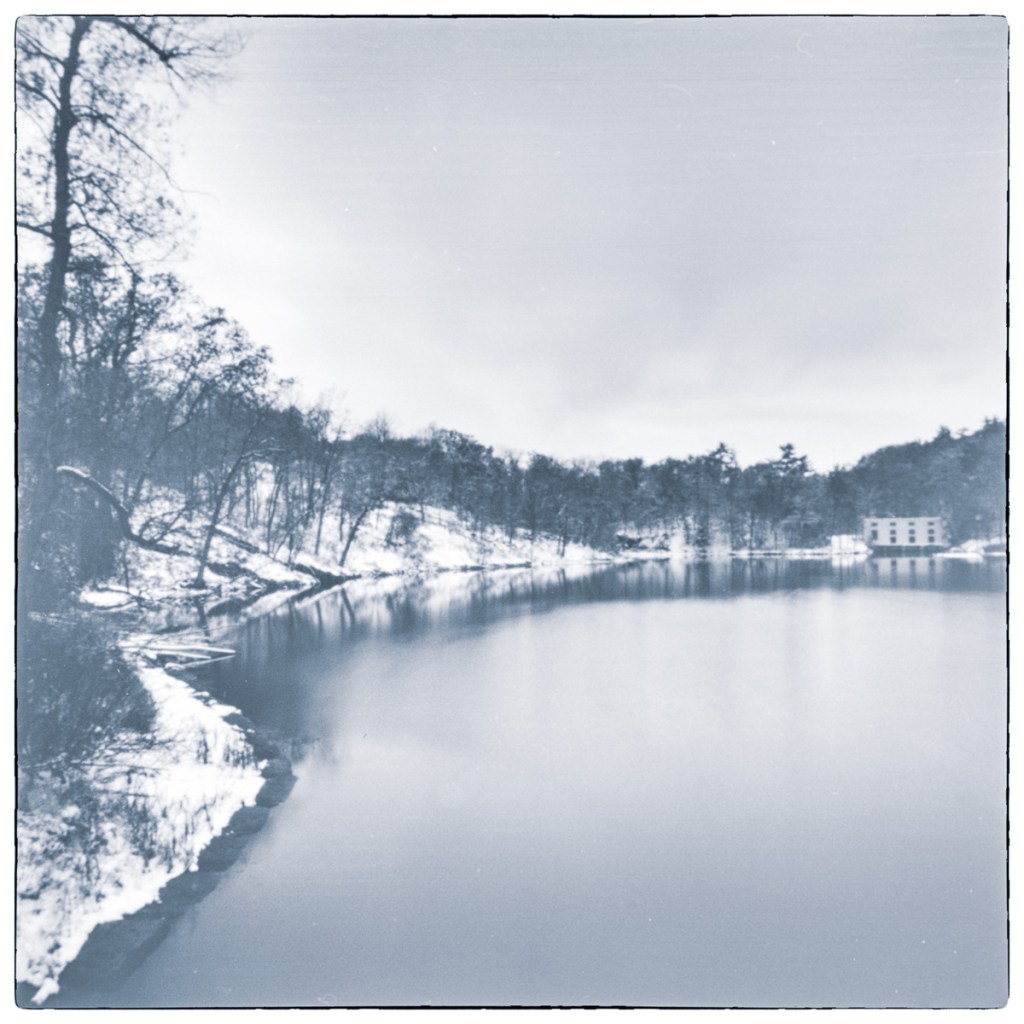
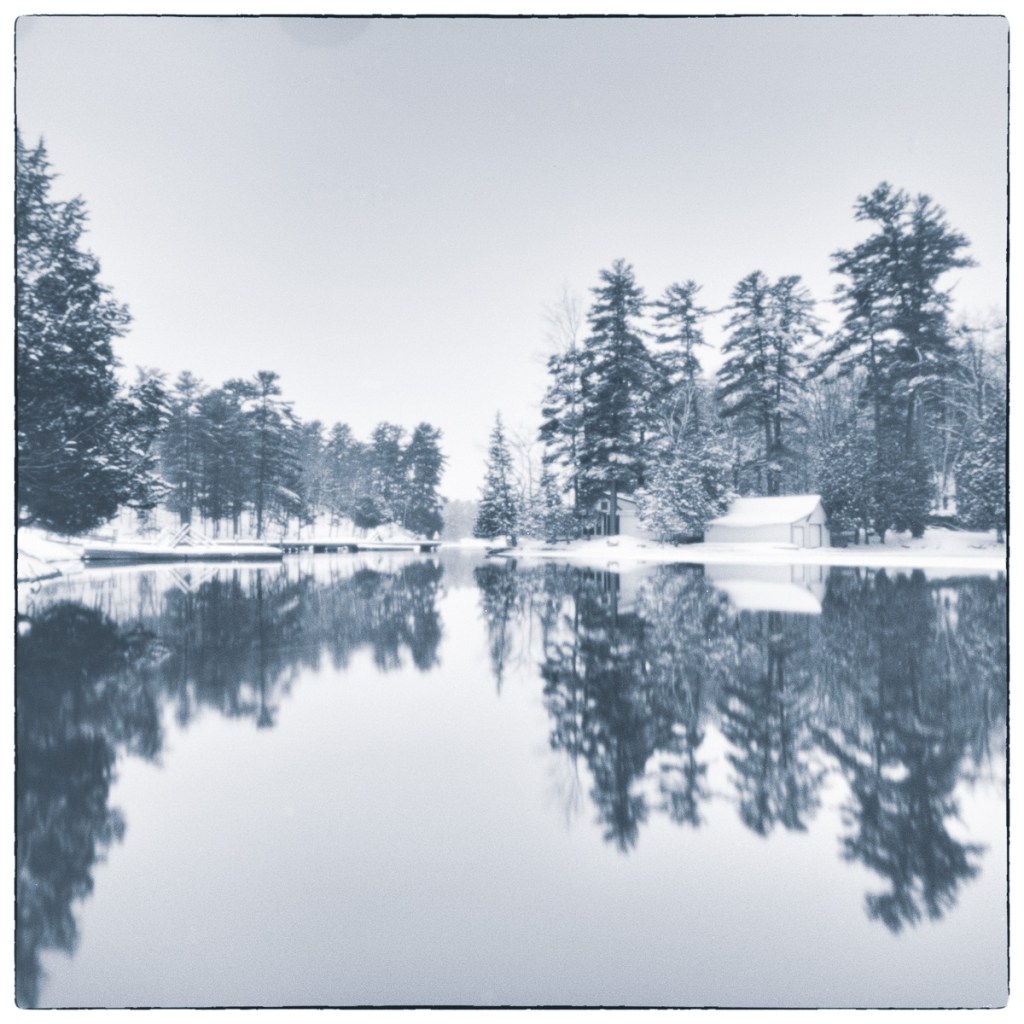
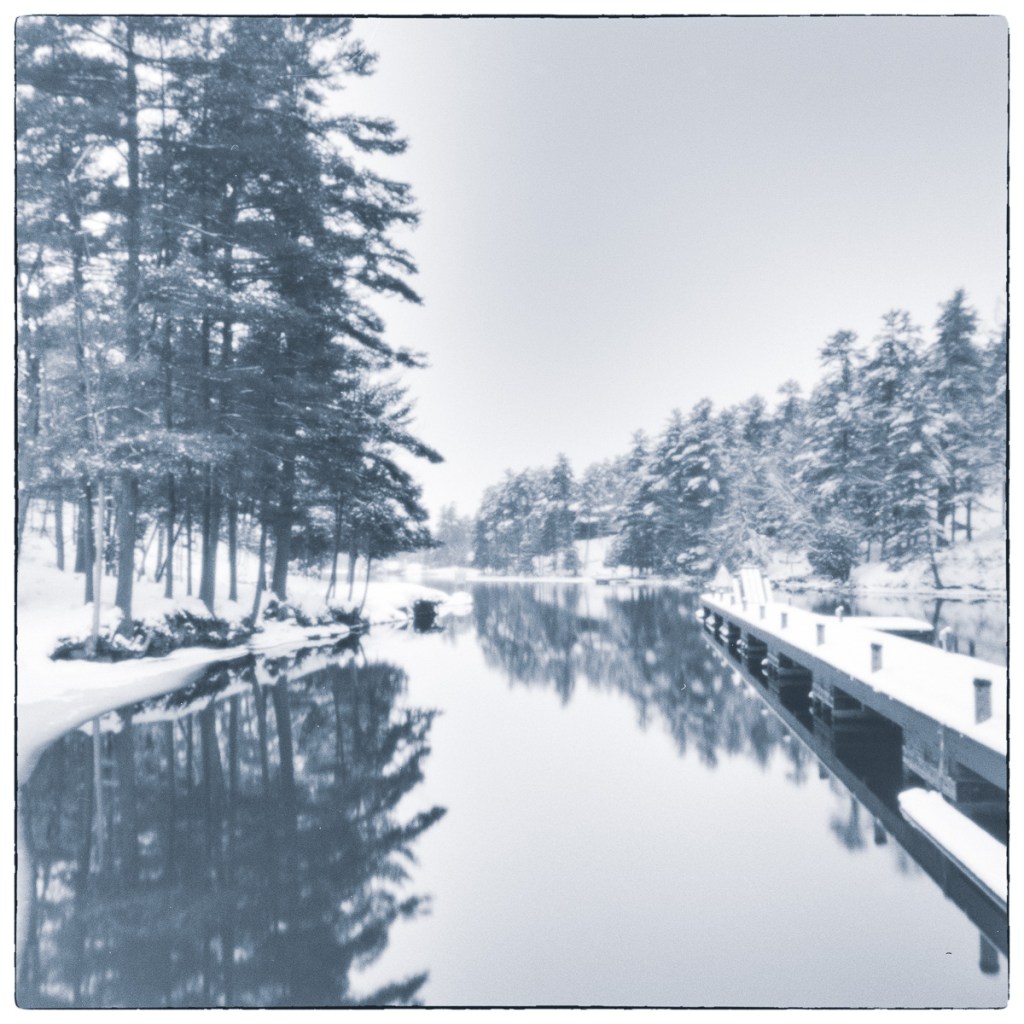
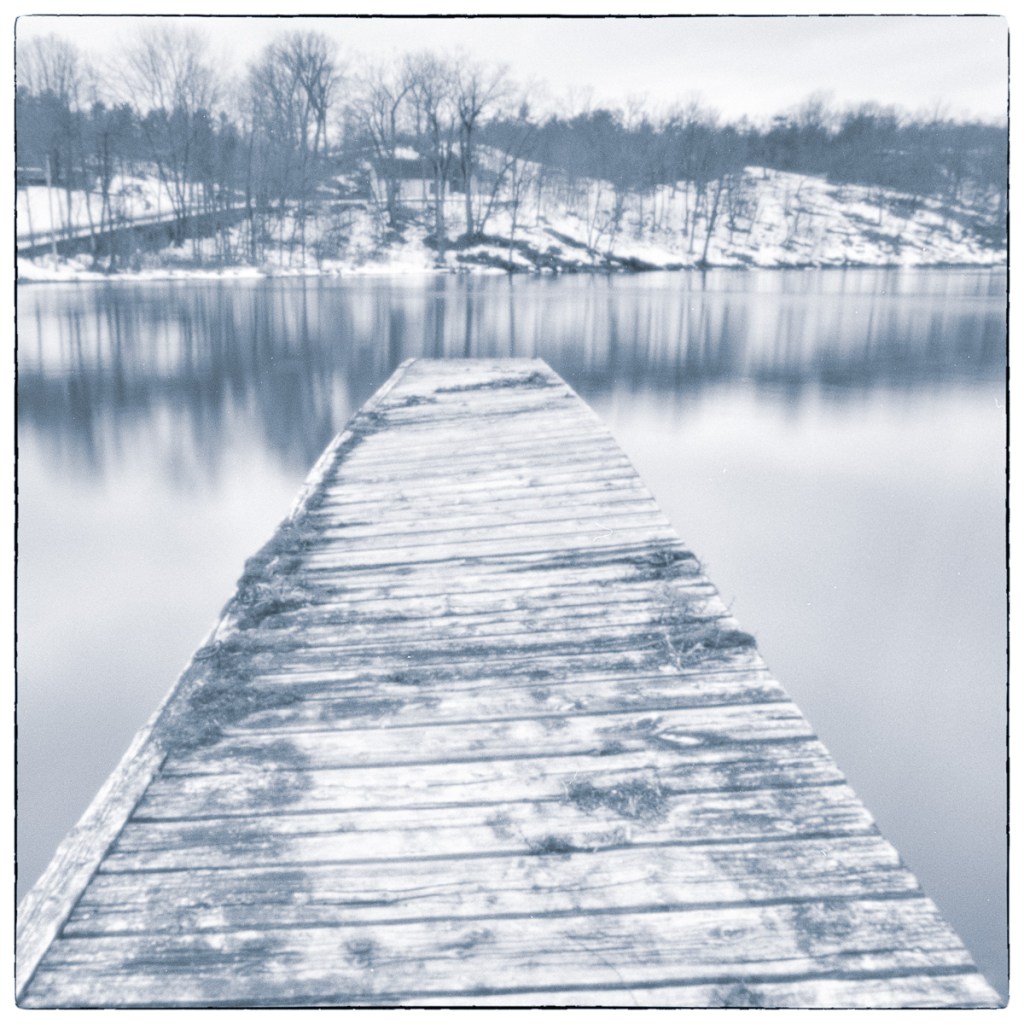
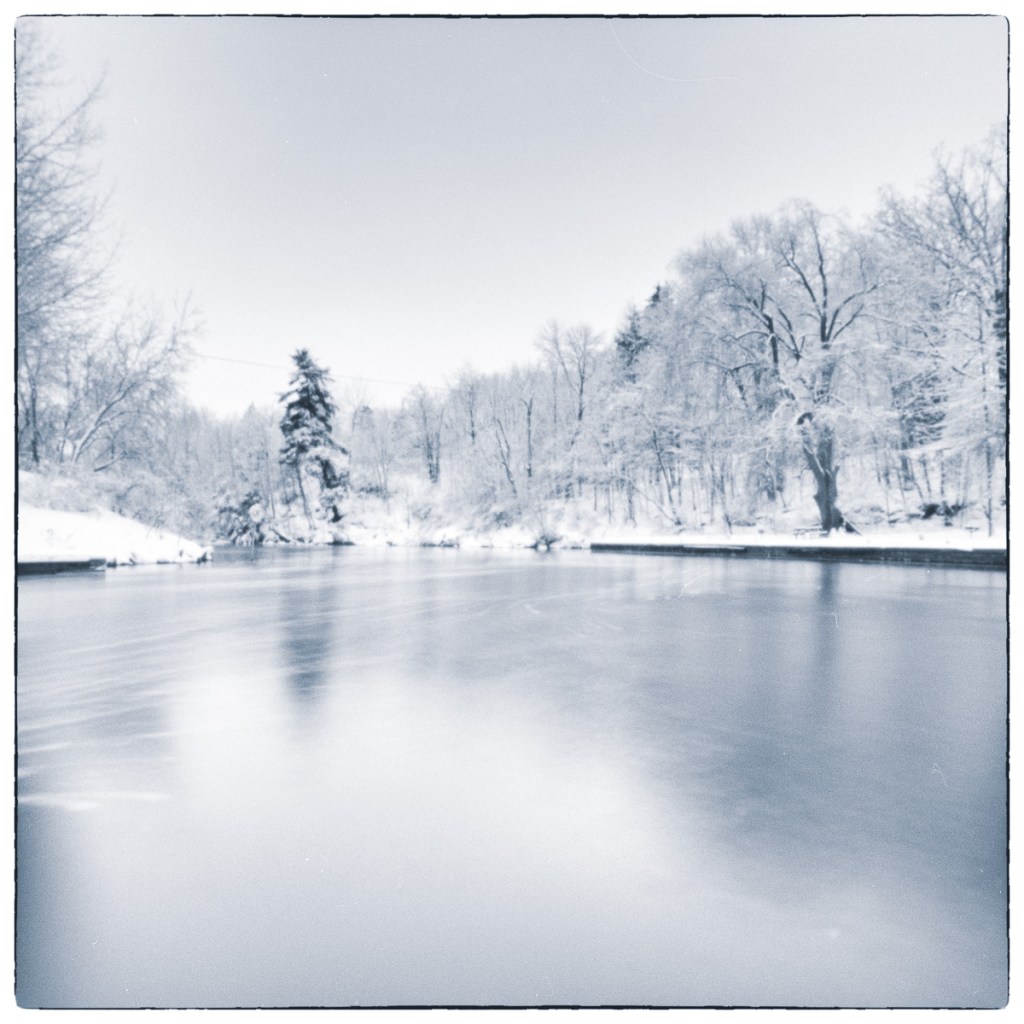

Artist Book
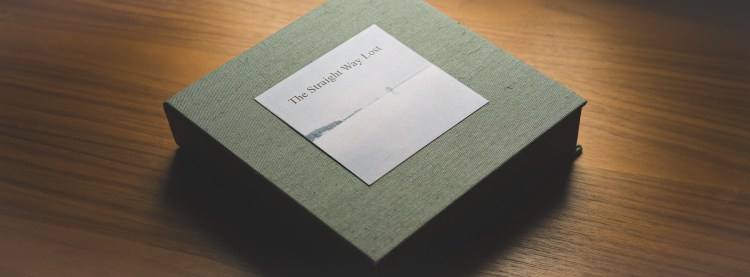
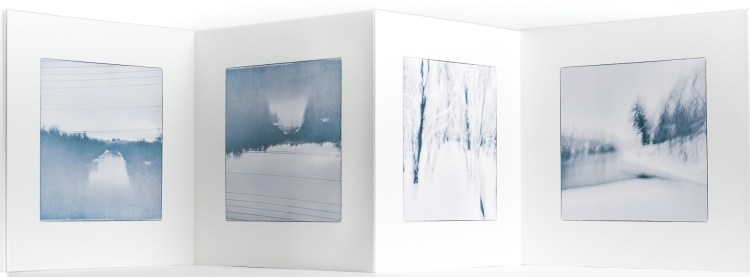
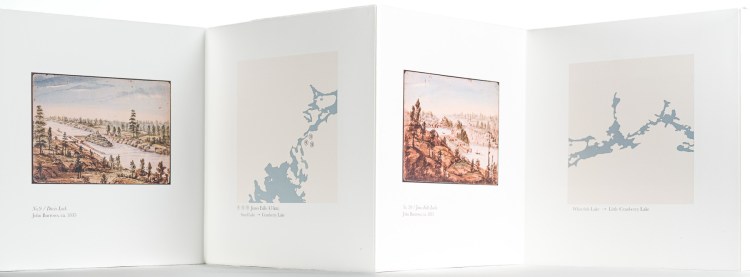
The work is presented as a two-sided leporello artist book. On the recto, diptychs establish visual dialogue between adjacent images, while blank pages and singular frames introduce pause and reorientation. On the verso, a parallel cartographic system situates each photograph within a geographic and historical field through numbered markers, current flow, and distance from the canal terminus.
Contemporary photographs are paired with archival watercolours from the John Burrows fonds, published in 1835 before the advent of photography. Together, these elements place the work in dialogue with both lived experience and historical inscription.
Closing Reflection
The Straight Way Lost does not attempt resolution so much as orientation. Through walking and sustained attention, the canal becomes a space for navigating transition.

