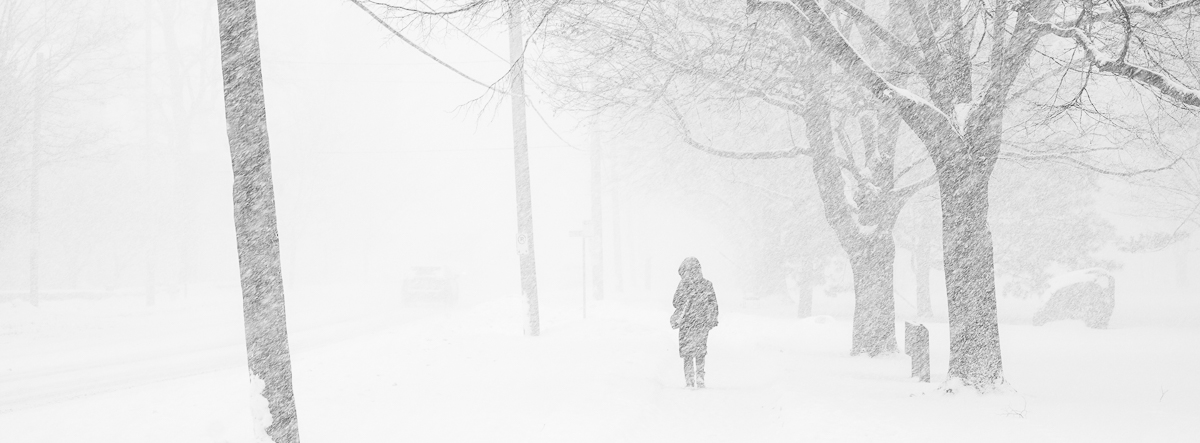
This week, we explored the concept of nature and its relationship with human culture, the role of location and environment in our photographic work, and the impact and resource consumption of our art practices.

Understanding Nature
The term “nature” is multifaceted and can be understood in various contexts. In the physical world, “nature” commonly refers to anything not human-made or altered: landscapes, ecosystems, wildlife, and natural phenomena such as weather and geological events. Mountains, forests, animals, fish, snow, and floods are examples that come to mind.
However, humans can and do alter nature: cultivated gardens, domesticated pets, dammed rivers, clear-cut forests, and acid rain are examples. Thus the concept of nature implying a separation between humans and the natural world leads to a skewed perception of human involvement with, and responsibility for, environmental sustainability. A romanticized and idealized view of nature overlooks the potential impact in human-managed biodiversity conservation. We must also remember that nature is dynamic and always in a state of change, whether through entirely natural or human-influenced processes. Our sustainability strategies must keep pace to remain effective.
Location and Environment in My Work
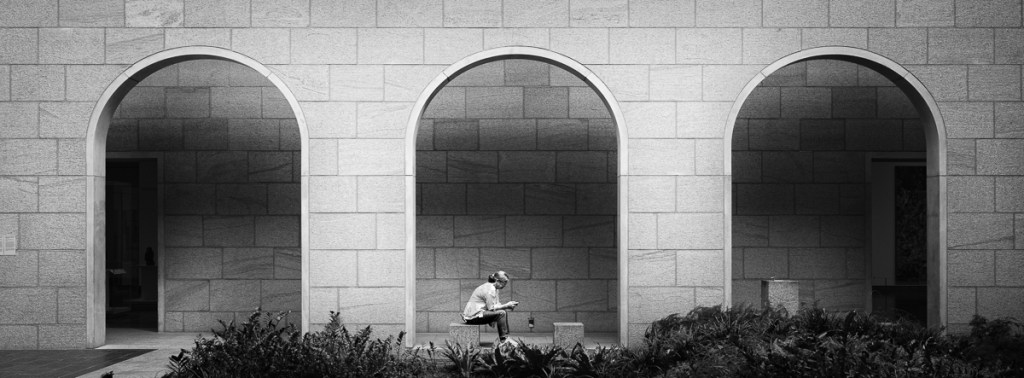
My current work uses location and environment as a setting, not a subject. I aim to express a sense of human isolation and solitude, often within the “third place”: social surroundings that are separate from the two primary environments of work and home. These may be cafes, parks, museums, libraries, and similar places. They are neutral grounds that are typically inclusive and accessible, facilitate community interaction, and offer a sense of belonging or comfort.
I am also interested in psychological landscapes, which are not merely physical spaces but also capture the emotions associated with a certain place. These landscapes, whether urban or rural, are often tied to memories and experiences and serve as backdrops for personal and collective narratives.
Impact and Resource Consumption of My Practice
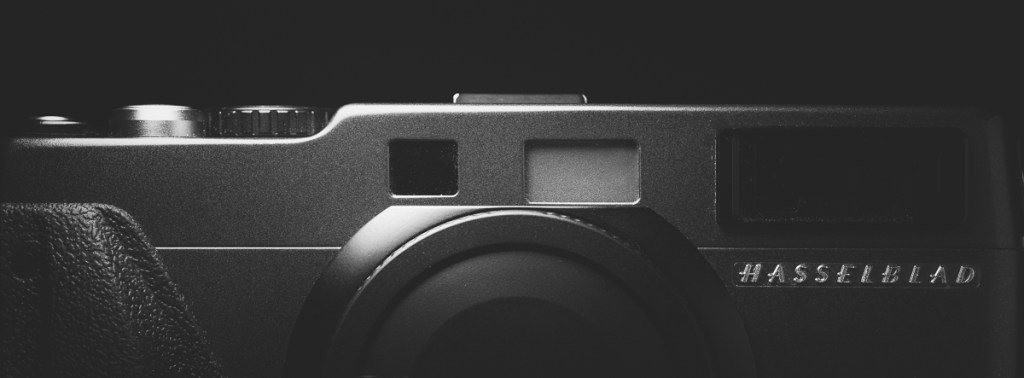
In considering my photographic practice, I recognize that my film and digital cameras consumed natural resources to be manufactured. To save costs and reduce waste, I’ve purchased these secondhand to reuse and give new life to existing equipment. Digital photography relies on computers and software that consume electricity; however, I mitigate as best possible by using energy-efficient products and avoiding cloud storage or generative AI software tools. I’ve recently started shooting film again and plan to experiment at home with Caffenol, an alternative, environmentally friendly film developer made from commonly available ingredients: instant coffee, washing soda, and Vitamin C. I will be scanning the developed film with my digital camera and avoiding traditional chemical printing processes. More to follow on this research.
As a current amateur photographer, I am not producing goods for sale and am only publishing a small number of photos on social media and this website. Moving forward into a professional fine art practice, I will need to consider the physical resources used in creating my work, the values and messages my photography communicates, and how my art will be consumed by my audience.
Conclusion
The interplay between nature, human culture, and environmental sustainability is complex and ever-evolving. By thoughtfully considering the impact of our practices and the themes we explore, we can create meaningful and responsible art. As I transition into a professional fine art practice, my commitment to sustainability and mindful consumption will remain integral to my work, ensuring that my art not only resonates with audiences but also respects the natural world from which it draws inspiration.
 Scott Murphy – Photographer