
This week we considered photography as interdisciplinary practice, how photographers have integrated and collaborated with other artistic and scholarly disciplines to create more nuanced, innovative, and multifaceted work.
I have drawn photographic inspiration from a number of creative sources. Cinema, in particular, has provided a wealth of visual and conceptual resources. I have long admired the cinematography of Sir Roger Deakins CBE for his work in films such as 1984, The Shawshank Redemption, Fargo, No Country for Old Men, Skyfall, Blade Runner 2049, 1917, et al. His use of composition, lighting, and colour as visual storytelling techniques have direct applications in photography.
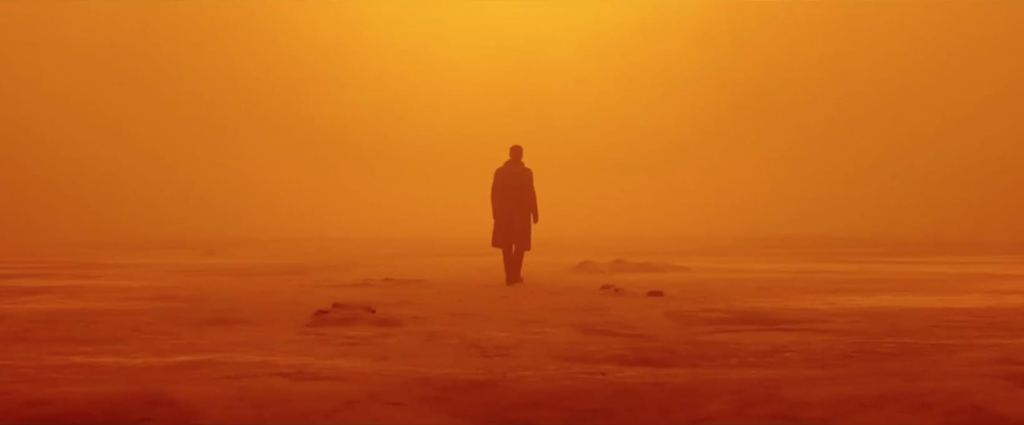
Cinematic wide-screen film formats such Ultra Panavision 70, with an aspect ratio of 2:76:1, provide an immersive and visually stunning viewing experience. Introduced in the 1950s during the Golden Age of Cinema, classic films such as Ben Hur (1959) and Lawrence of Arabia (1962) showcased this format’s capability to enhance epic storytelling. The format became dormant with the rise of 35mm film shot with anamorphic lenses, but saw a revival with Quentin Tarentino’s 2015 release The Hateful Eight.

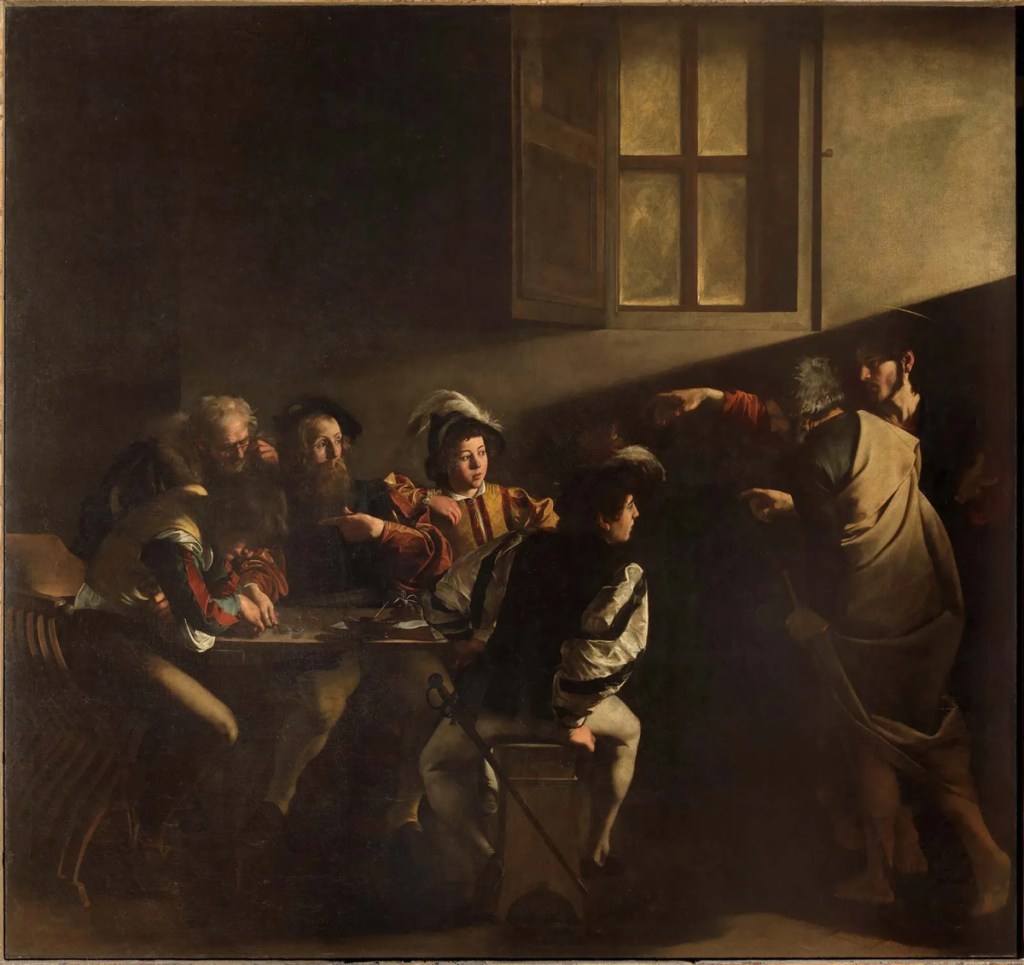
I am also inspired by Baroque artists such as Caravaggio (1571-1610), who popularized tenebrism (from Italian tenebrae , “darkness”). This technique uses extreme contrast between light and shadow, with the figures strategically illuminated against a densely dark background. Rembrandt (1609-1669) used a related technique, chiaroscuro (from Italian chiaro, “light” and scuro, “dark”), which involves a more subtle interplay of light and shadow to define three-dimensional objects when depicted on a two dimensional surface.

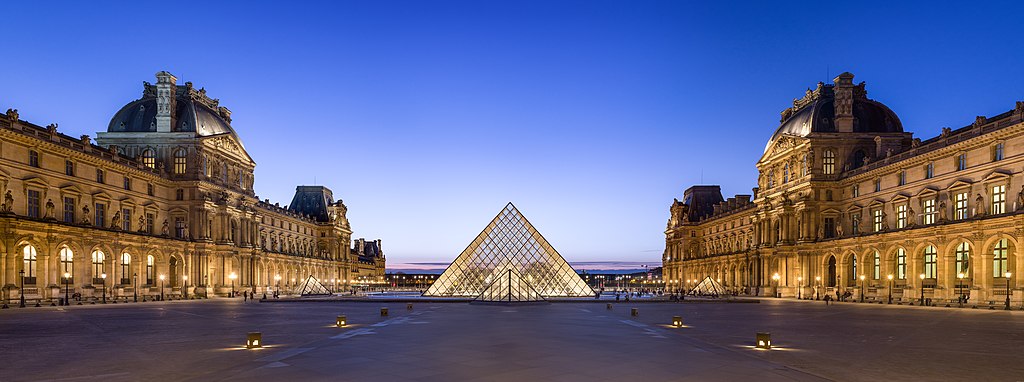
In the real world, I am moved by ancient architecture that has endured to this day. Locations such as the Pantheon in Rome inspire awe and reverence, and stir imaginations of people and events that shared that space. Similarly, grand modern architecture such as I.M. Pei’s Louvre Pyramid can enchant with perfect geometry, integration with historical architecture, and modern materials.

As for drawing from these inspirations in my work, I have been working towards a cinematic photography style through composition, lighting, and post processing. In part I’ve do so by taking advantage of my Hasselblad digital camera’s XPan crop mode, which has a 2.71:1 wide angle viewfinder display that almost exactly matches the 2.76:1 Ultra Panavision ratio.
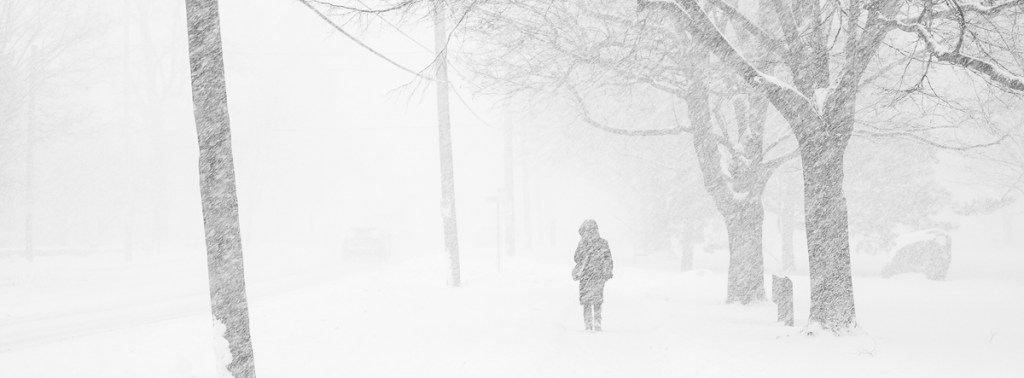
I also seek scenes with dramatic play of light and shadow, which I nurture in post with dodging and burning from dramatic effect.

When travelling, I seek out architectural sites with a view to their photographic potential. Shooting from just after sunset through to darkness allows shadows to develop and interact with the building’s structure.
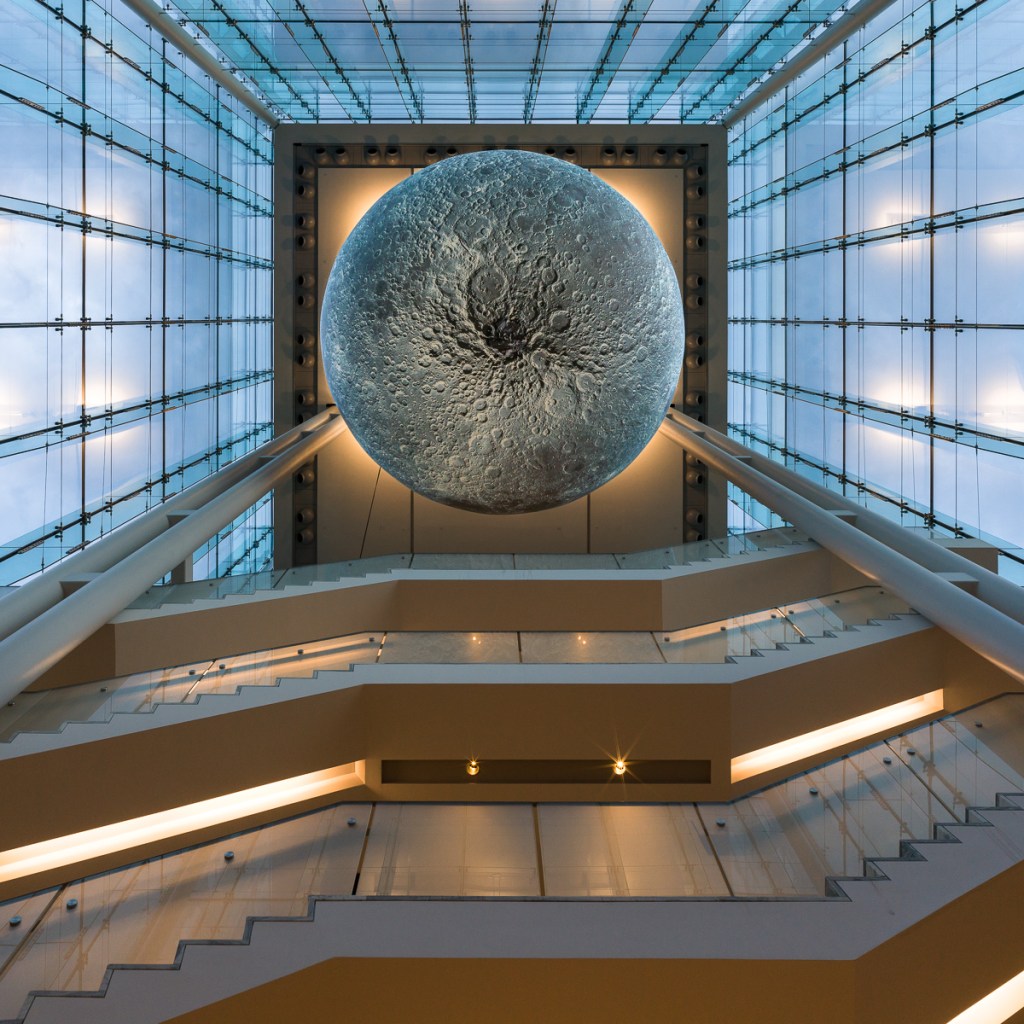
Murphy 2023. Art installation at Canadian Museum of Nature, Ottawa.

Ultimately, for me, the power of photography lies in capturing moments. Whether a fleeting expression frozen in time through a short exposure, or a long exposure of lights trails or waterfalls made visible in ways that our eyes cannot naturally see, photography preserves memories and emotions. It also allows a balance of creative artistry and technical skill that can vary between each shot, depending on the photographer’s mood and intent. And so I am drawn to photography as an expressive medium that encourages me see the world differently.
Bibliography
BERGERA, Iñaki. 2019. ‘Re-Framing the Public Space: Relations Between Architecture and Photography’ [online], 1–2. Available at: https://www.proquest.com/docview/2895680070?pq-origsite=primo&sourcetype=Scholarly%20Journals [accessed 24 Jun 2024].
BORDENIUK, Serhii, Iryna GAVRAN and Valeriia HRYMALSKA. 2021. ‘Features of Street Photography and Its Similarities with Cinematography’. Vìsnik Kiïvsʹkogo nacìonalʹnogo unìversitetu kulʹturi ì mistectv. Serìâ: Audìovìzualʹne mistectvo ì virobnictvovyrobnytstvo 4(2), 278–85.
COTTON, Charlotte. 2020. The Photograph as Contemporary Art. Fourth edition. London: Thames and Hudson.
LUO, Haoyue. 2023. ‘Three Views on I.M. Pei’s Aesthetic Concept of Design’. Journal of Humanities, Arts and Social Science 7(9), [online], 1851–4. Available at: https://www.hillpublisher.com/ArticleDetails/2233 [accessed 24 Jun 2024].
MATTENS, Filip. 2011. ‘The Aesthetics of Space: Modern Architecture and Photography’. The Journal of Aesthetics and Art Criticism 69(1), [online], 105–14. Available at: https://onlinelibrary.wiley.com/doi/abs/10.1111/j.1540-6245.2010.01451.x [accessed 24 Jun 2024].
NOTT, Robert. 2008. ‘Shooting Solitude’. McClatchy – Tribune Business News. Available at: https://search.proquest.com/docview/456545687?pq-origsite=primo&accountid=15894 [accessed 24 Jun 2024].
PELIZZARI, Maria Antonella and Paolo SCRIVANO. 2011. ‘Intersection of Photography and Architecture—Introduction’. Visual Resources 27(2), [online], 107–12. Available at: http://www.tandfonline.com/doi/abs/10.1080/01973762.2011.568142 [accessed 24 Jun 2024].
RZEPIŃSKA, Maria and Krystyna MALCHAREK. 1986. ‘Tenebrism in Baroque Painting and Its Ideological Background’. Artibus et historiae 7(13), 91–112.
SUTHOR, Nicola. 2018. ‘Clair-Obscure I: Shadow Play’. In Rembrandt’s Roughness. United States: Princeton University Press.
THOMAS, Jessica N. 2016. Mindful Photography and Its Implications in End-of-Life Caregiving: An Art-Based Phenomenology. ProQuest Dissertations & Theses. Available at: https://www.proquest.com/docview/1781055868/abstract/?pq-origsite=primo [accessed 26 Jun 2024].
TONGYAO, Jia and Jia WEIZHANG. 2022. ‘An Interpretation of the Light Design of Roger Deakins’ Works from the Perspective of Film Semiotics’. Revista Amazonia Investiga 11(52), [online], 96–104. Available at: https://amazoniainvestiga.info/check/52/10-96-104.pdf [accessed 25 Jun 2024].
TSAO, Calvin. 2019. ‘I.M. Pei: 1917–2019’. arq : Architectural Research Quarterly 23(3), 204–9.
List of Figures
Figure 1. Blade Runner 2049 (2017) – Photos – IMDb [Film]. n.d. Available at: https://www.imdb.com/title/tt1856101/mediaindex/[accessed 23 Jun 2024].
Figure 2. The Hateful Eight (2015) – Photos – IMDb [Film]. n.d. Available at: https://www.imdb.com/title/tt3460252/mediaindex/[accessed 23 Jun 2024].
Figure 3. ‘The Calling of St. Matthew, Oil on Canvas by Caravaggio, 1599–1600; in the Contarelli Chapel, San Luigi Dei Francesi, Rome.Tenebrism | Caravaggio, Baroque, Painting | Britannica’. 2024. [online]. Available at: https://www.britannica.com/art/tenebrism [accessed 25 Jun 2024].
Figure 4. ‘The Night Watch (Painting by Rembrandt) | Description & Facts | Britannica’. 2024. [online]. Available at: https://www.britannica.com/topic/The-Night-Watch [accessed 25 Jun 2024].
Figure 5. MARIORDO. 2024. English: Interior of the Roman Pantheon. Rome, Italy. Available at: https://commons.wikimedia.org/wiki/File:Pantheon_Rome_04_2024_7139.jpg [accessed 26 Jun 2024].
Figure 6. SONG, Benh LIEU. 2020. English: Looking West at the Louvre Museum’s Napoleon Courtyard, at Dusk. Available at: https://commons.wikimedia.org/wiki/File:Louvre_Courtyard,_Looking_West.jpg [accessed 26 Jun 2024].
Figure 7. Scott MURPHY. 2024. Blizzard. Private Collection: Scott Murphy.
Figure 8. Scott MURPHY. 2023. Stillness. Private Collection: Scott Murphy.
Figure 9. Scott MURPHY. 2023. Art installation at Canadian Museum of Nature, Ottawa. Private Collection: Scott Murphy.
Figure 10. Scott MURPHY. 2023. St George’s Anglican Cathedral, Kingston, Ontario.Private Collection: Scott Murphy.
 Scott Murphy – Photographer

